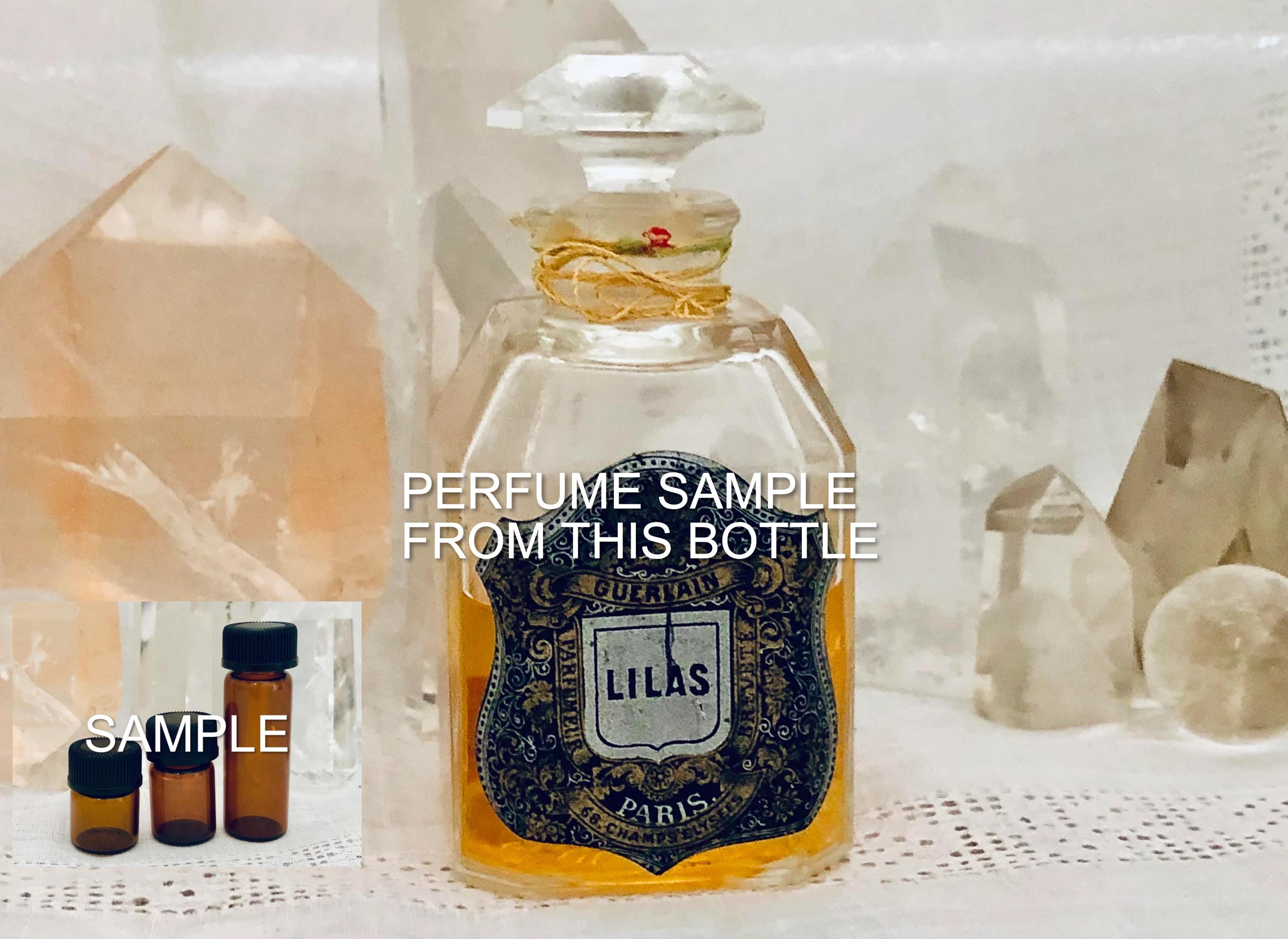
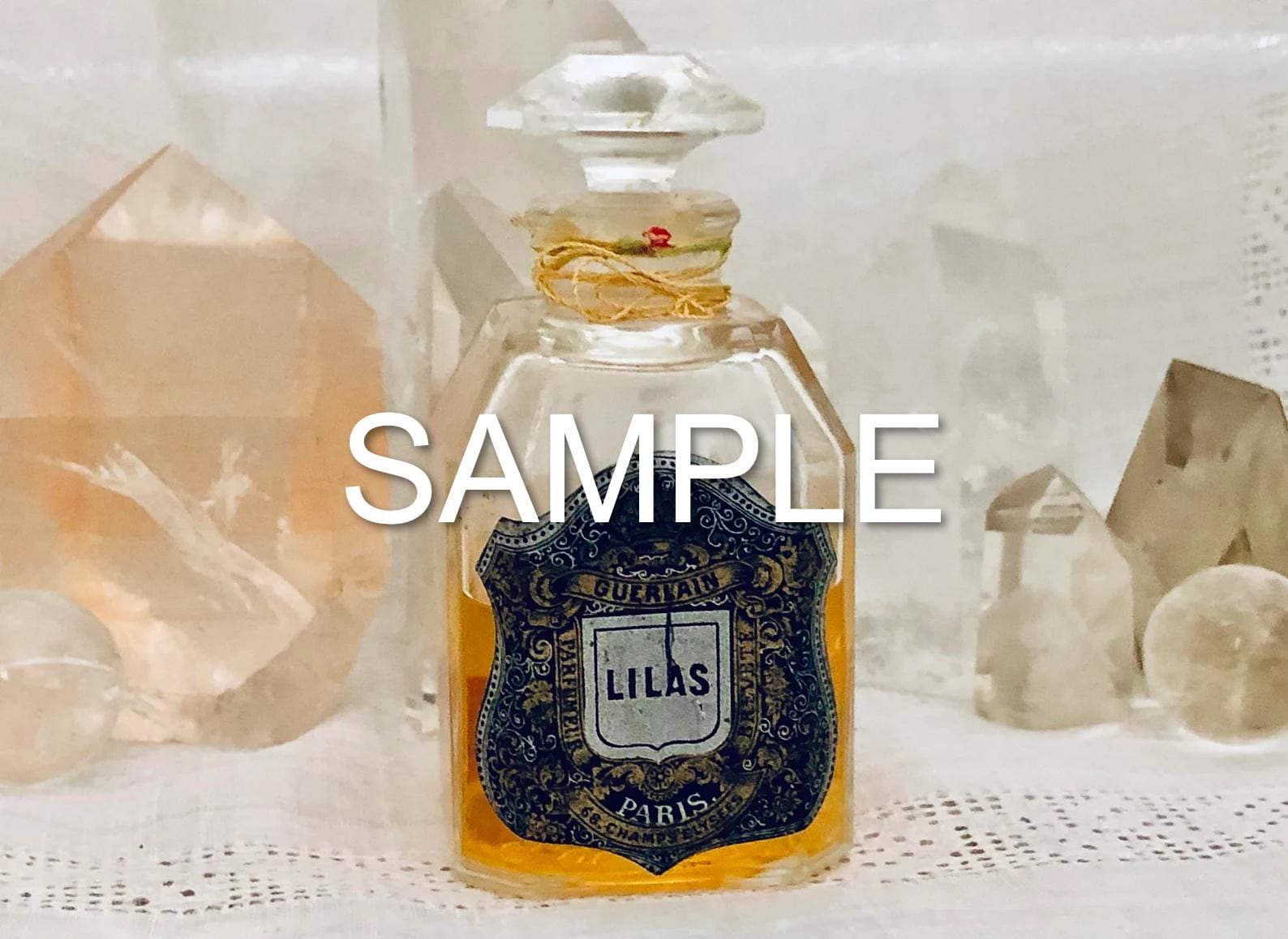
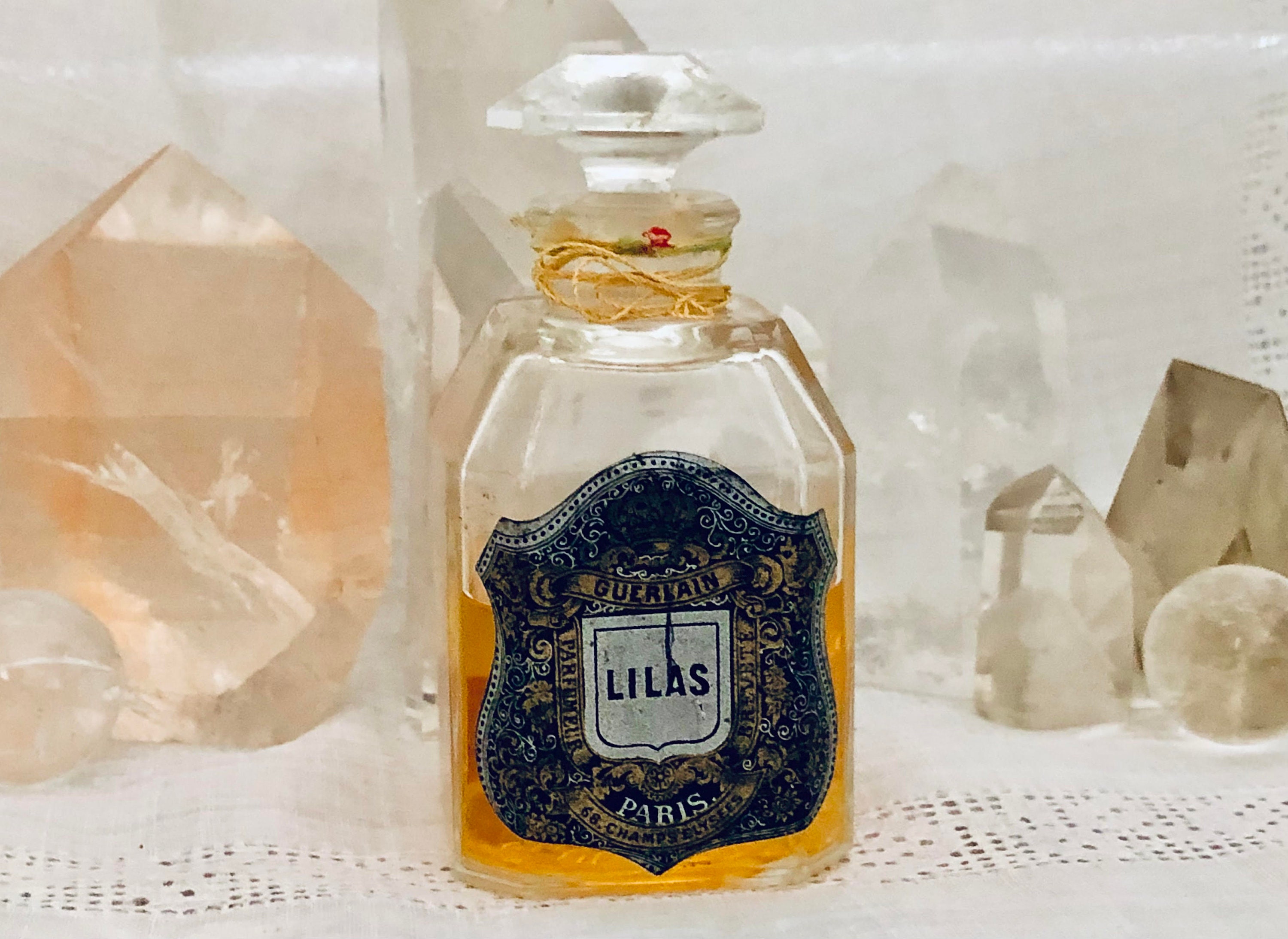
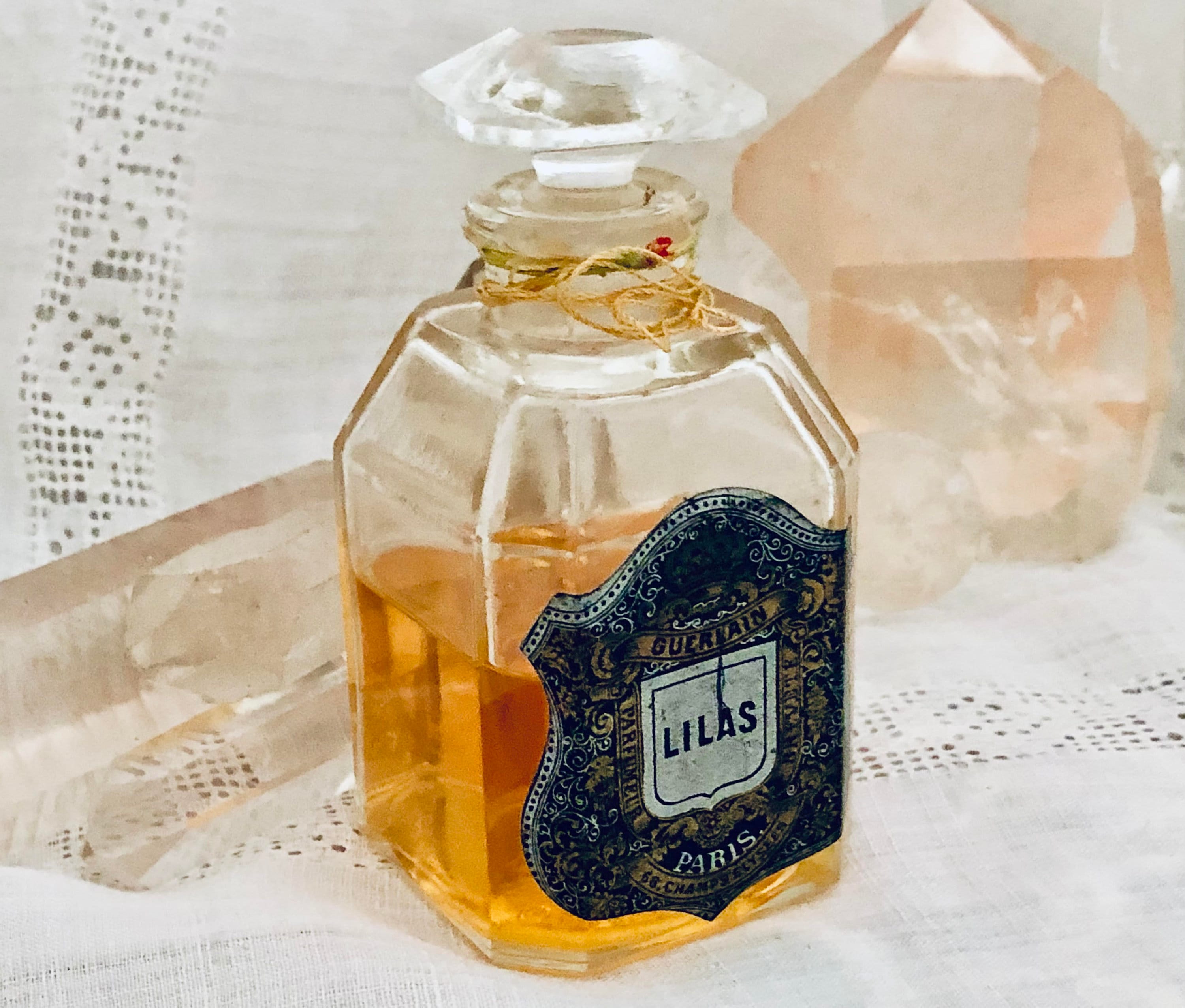
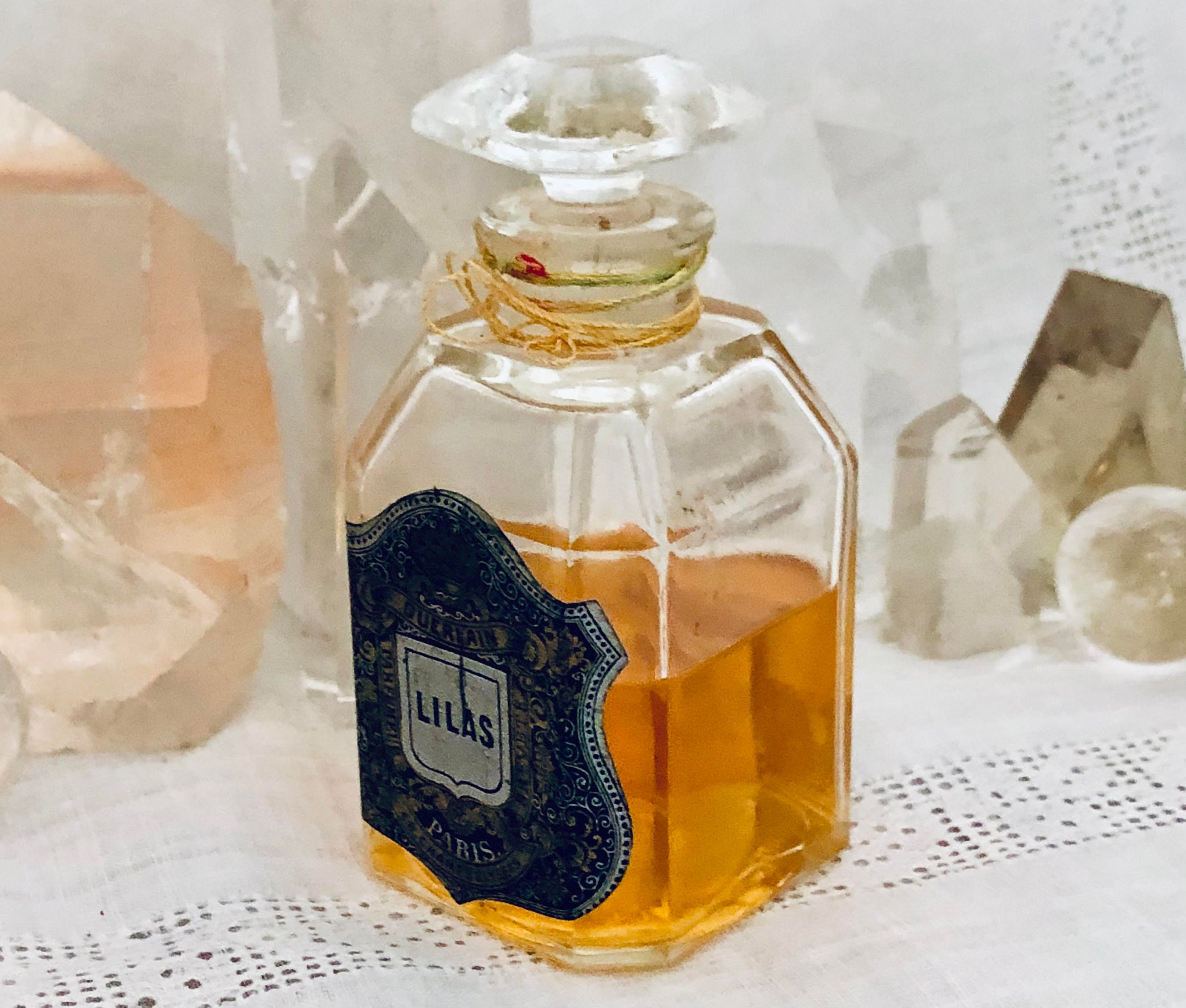
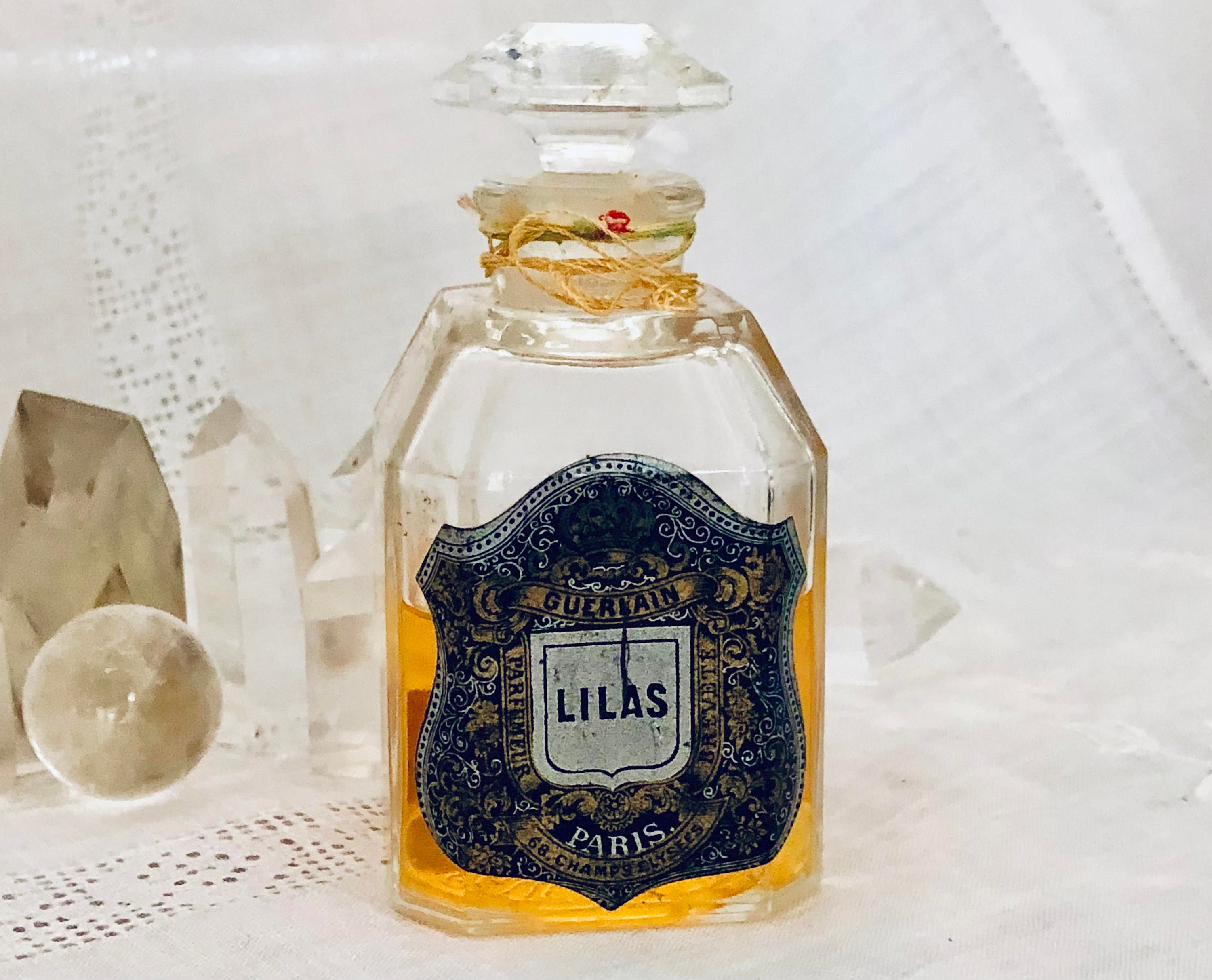
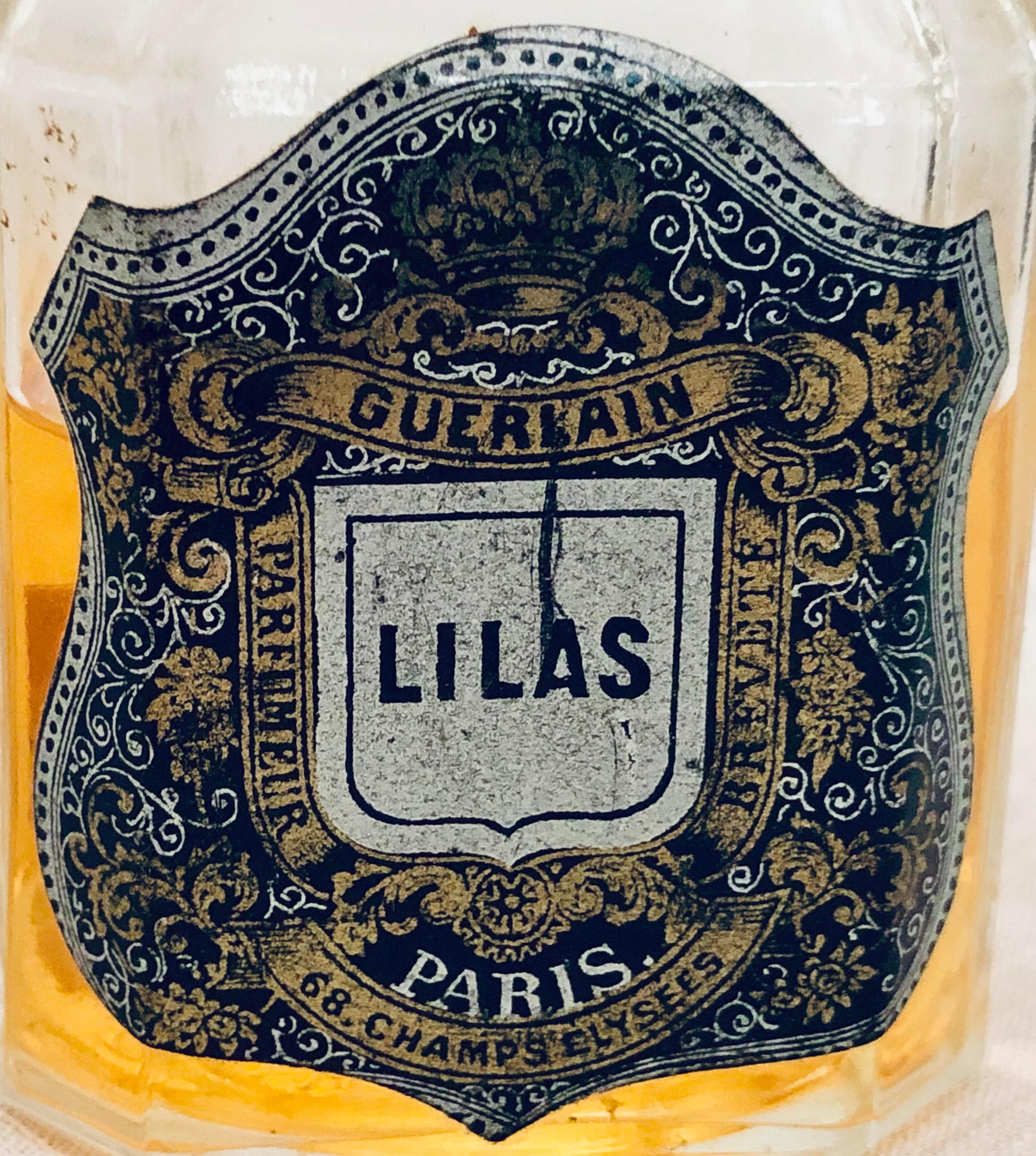
The House of Guerlain is one of the oldest perfume houses in the world. It was founded in 1828 when Pierre-Francois Pascal Guerlain opened up his first perfume store on 42, Rue de Rivoli in Paris.
Pierre-Francois composed and manufactured custom perfumes with the help of his two sons, Aime & Gabriel. His unique approach was to personalize perfume for a specific person, place or event. Honore de Balzac commisioned his own eau de toilette during the writing of Cesar Birotteau, and the periodical La Sylphide, le Journal des Elegances, scented each issue with a different fragrance by Guerlain.
Guerlain catered to the high society of Paris, and obtained a very loyal following. The perfume house was so successful that Guerlain decided to open a flagship store at 15, Rue de la Paix in Paris in 1840. The house was at its peak in 1853 with it's fragrance Eau de Cologne Imperiale. This perfume gained Guerlain the prestigious title of His Majesty's Official Perfumer of France. This in turn led him to create perfumes for other royals such as Queen Victoria of England, the Empress Sissi of Austria, the Queen of Belgium and Queen Isabella of Spain as well as other crowned heads of royalty.
Pierre-Francois passed away in 1854 and his sons inherited the perfume house. Aime became the master perfumer, a tradition that would be upheld for the next master perfumer in lineage. Gabriel managed and further expanded the house.
"In the 1930's, Guerlain released two floral fragrances by Jean-Jacques Guerlain, called 'Guerlilas' and 'Guerlarose'. These names, like Guerlinade, were a nod to the Guerlain name itself, denoting that there is a special “Guerlain way” of doing things. This does make sense to most Guerlain aficionados, who indeed believe that Guerlain distinguishes itself by a unique and matchless style. Therefore it’s so much the more surprising to learn that Guerlilas and Guerlarose were made by a perfumer who until recently was unknown as their author.
Unlike rose, lilac was never included in the Guerlain signature. The Guerlinade accord is defined by only the most "classic" raw materials, whereas lilac, a synthetically derived note, was rarely used. Lilac has an intensely floral fragrance, at once citrusy and honeyed, that can add a sensation of spring and purity to a composition. Jacques Guerlain used it in Candide Effluve (1922) for exactly this effect, as the perfume’s name "innocent fragrance" implied.
Launched in 1934, Lilas has, in addition to lilac, several other notes in common with Candide Effluve: violet, lily of the valley, jasmine and heliotrope, all of them utterly sweet and feminine. Smelling Lilas, we quickly ascertain that they must be some of Guerlain’s most stridently floral and sweet perfumes. Even La Petite Robe Noire feels refreshing in comparison. Yet no connoisseur would dare to claim that the grand master Jacques couldn't have made them. Thierry Wasser’s long list of re-created vintages has taught us that not all of Jacques’ perfumes had the exquisite grace and balance that we find in Après l’Ondée, L’Heure Bleue, Mitsouko, Shalimar, Liu and Vol de Nuit.
Jean-Jacques Guerlain tried to give a certain lightness and lift to Lilas with a sparkling aldehyde top note. As the aldehyde fades, the fragrance grows gradually more and more sweetly floral, with especially heliotrope and lily of the valley being prominent.
Like Jacques, Jean-Jacques used animal ingredients to make the perfume appear smooth, rich and sensual. In the case of a sweet floral like Lilas, it's a bit like adding whipped cream on top of an already high-calorie fruit pie. We actually don't know if the increasing health and ethical restrictions on perfumery's "heavier" materials have helped shape our tastes, or if they would've changed regardless. According to Guerlain's assistant perfumer, Frédéric Sacone, perfumes from before the 1960's were much more dense, powerful and animalic, to match the overall more odorous environment back then. Today, as the Western world has embraced more fastidious personal hygiene, perfumes have evolved a lighter touch too.
Top notes are Aldehydes, Lilac, and Bergamot
Heart notes are Jasmine, Heliotrope, Lily of the Valley, and Violet
Base notes are Sandalwood
I have recently learned from a Guerlain expert that the Lilac for Lilas was extracted via the enfleurage method. This extraction process is used for jasmine, daffodil, lilac, or tuberose, flowers that are too fragile to be heated. It consisted of spreading a layer of animal fat at room temperature on a plate surrounded by a wooden frame. Flowers should not be exposed to high temperatures to ensure no change to their fragrance. The flowers are first sorted to keep only the freshest of them, then placed manually, one by one, on the fat for about 24 hours. Then fat absorbs their scents. The operation has to be repeated several times, until the fat is saturated with the scent of the flowers, which are then removed by hand. At the end of the process, the fat is collected with a spatula and then washed with alcohol in threshing machines. This makes it possible to separate it from the odorous molecules and obtain a precious "ointment absolute” after evaporation.
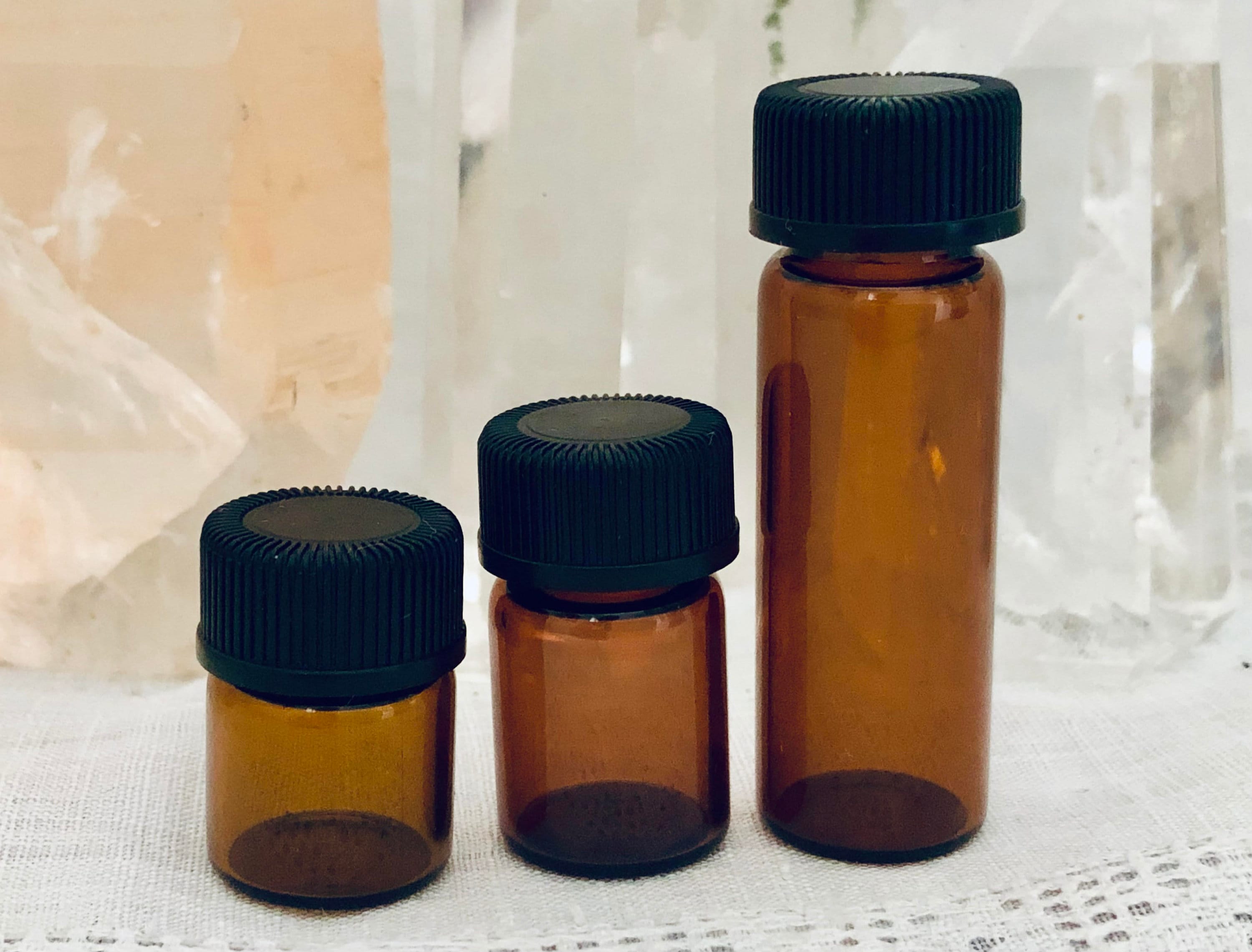
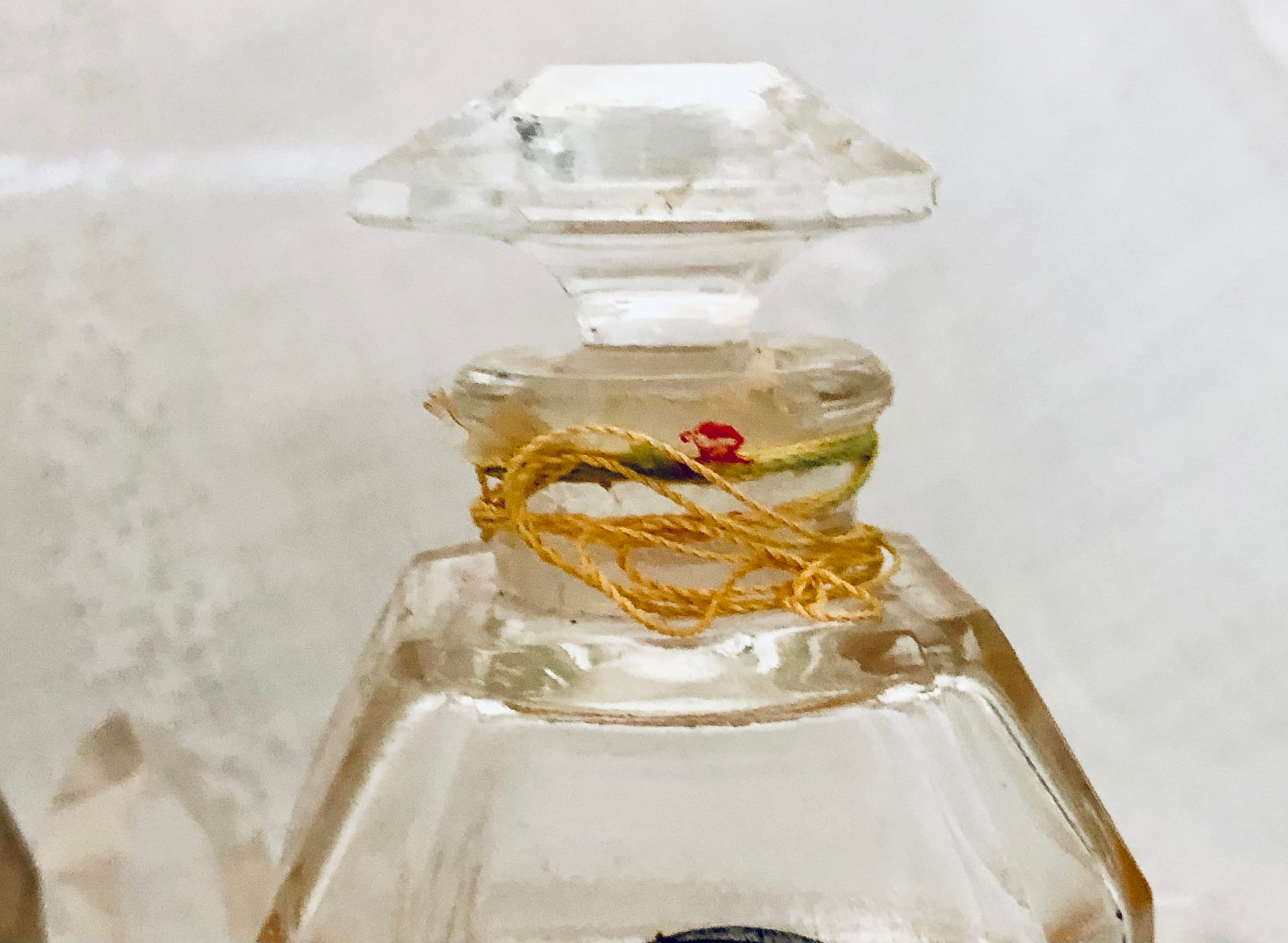
Offered here is an opportunity to try a sample of this beautiful Lilac fragrance. It offers sweetness and innocence, good sillage, and good longevity.
Shipping from United States
Processing time
1-3 business days
Estimated shipping times
- North America : 4 - 7 business days
I'll do my best to meet these shipping estimates, but can't guarantee them. Actual delivery time will depend on the shipping method you choose.
Customs and import taxes
Buyers are responsible for any customs and import taxes that may apply. I'm not responsible for delays due to customs.
Payment Options
Returns & Exchanges
Returns & exchanges accepted within 30 days
Buyers are responsible for return shipping costs. If the item is not returned in its original condition, the buyer is responsible for any loss in value.
I gladly accept returns, exchanges, and cancellations
Request a cancellation within: 2 days of purchase
The following items can't be returned or exchanged
Because of the nature of these items, unless they arrive damaged or defective, I can't accept returns for:
- Items on sale
Conditions of return
Buyers are responsible for return shipping costs. If the item is not returned in its original condition, the buyer is responsible for any loss in value.
Questions about your order?
Please contact me if you have any problems with your order.